

Summary: This guide gives causes for common slow-draining sinks and gives descriptions of each cause, such as hair, soap, grease, food waste, mineral buildup, and P-trap blockages. It gives DIY solutions for each cause, such as removing debris, using hot water, using baking soda and vinegar, plunging, cleaning the stopper, clearing the P-trap, and using the drain snake. It gives you detailed prevention tips and signs that your sink may need a professional plumber.
———————————————————————————————————————————————————————————————————
How to Fix a Slow Draining Sink: Step-by-Step Guide
How to Fix a Slow Draining Bathroom Sink? | How to Unclog a Sink? | Bathroom Sink Clogged
A slow draining sink is an annoying yet common problem. This plumbing problem can happen almost anywhere in the home. It’s even more annoying to see a water pool in the sink and to smell something foul as it lingers. It’s normal to hear your sink gurgle, but if it’s becoming a continuous thing, it’s most likely due to a drain blockage.
Many homeowners decide to call a plumber anytime they have a slow-draining plumbing fixture. Luckily, most of the time a clogged sink drain is due to an accumulation of some sort of debris in the drain. Debris like hair, soap, food, grease, and even dirt can clog your sink drain. It’s possible to go for sink drain repair solutions.
In this guide, you will learn the most common problems associated with drains and slow-draining sinks, how to fix slow draining sink, and how to prevent this problem from happening in the future.
Common Causes of a Slow Draining Sink
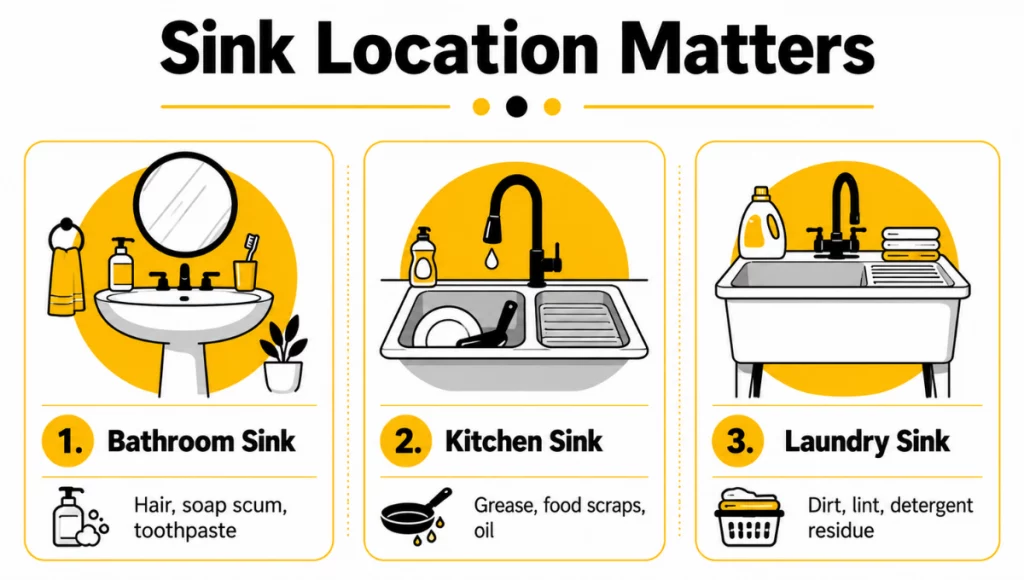
Understanding the possible causes is essential before you address the problem. Given that different sinks dispose of different wastes, the cause may be different depending on the sink’s location.
Buildup of Hair and Soap
Bathroom sinks can accumulate hair and soap scum from toothpaste, shaving, and skin care products. Over time, these block the pipes and reduce the flow of water.
Grease and Food Wastes
Kitchen sink drain clogged by oil and grease, food fragments, and post-draining coffee grounds and debris. Because grease can travel down the drain as a liquid and later cool and harden, it can be especially dangerous.
Mineral Deposits
In places that have hard water, minerals can build up in the pipes and narrow the flow of water in a pipe.
Foreign Objects
Cotton swabs and other foreign objects can also clog a sink.
Buildup in the P-Trap
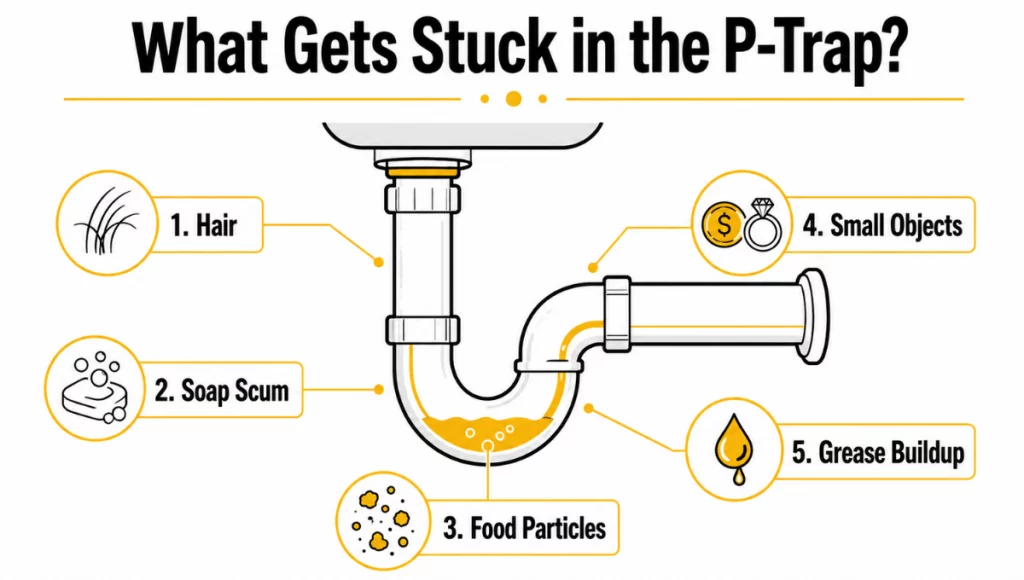
The curve in a sink’s plumbing can trap foreign objects and debris, and prevent block gases from the waste system.
Tools and Materials You May Need
Collect a few basic items that may help you with the task before you begin. You may not end up using them.
Essential Materials
You might need some tools and supplies for this. This includes rubber gloves, a bucket, old towels, baking soda, a plunger, vinegar, hot water, a drain snake, adjustable pliers, and a flashlight.
Health and Safety
You should always wear rubber gloves when working with drains. Sink drains can contain a lot of bacteria, dirty water gets trapped in there, and may even hold some sharp debris. You should also avoid mixing other products with chemical drain cleaners. This can cause dangerous fumes.
Step-by-Step Methods to Fix a Slow Draining Sink
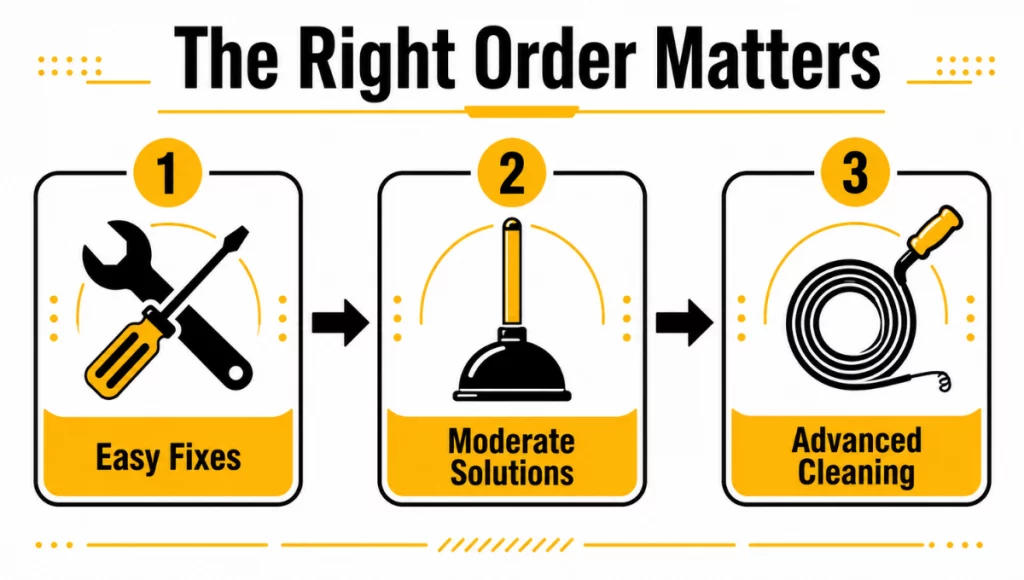
There are several different ways in which you can make your drain go back to normal. You should always start with the simplest methods and make your way up to the more difficult methods, as the simpler ones will always be the safest ones too.
Method 1: Remove Visible Debris
Sometimes, clogs may be near the entrance to the drain.
Check the Drain Opening
Shine a flashlight in the drain. If you see debris near the surface, remove it.
Use a Drain Cleaning Tool
Cleaning tools specifically designed for use on drains help pull out hair and debris. Insert the tool, twist, and then pull out. This is a great method for cleaning drain issues in a bathroom sink repair.
Method 2: Use Boiling or Hot Water
Soapy residue and grease can be dislodged and dissolved with hot water.
Bathroom Sinks
Pour hot water into the drain slowly, and let it sit a few minutes before repeating.
Kitchen Sinks
To clear a clogged kitchen sink, hot water is better than cold for dislodging grease; tap water is the safest bet. It is not good to pour boiling water down PVC pipes too often. High extremes of heat can damage the system. If in doubt about the safety of boiling, use very hot tap water.
Method 3: Try Baking Soda and Vinegar
Baking soda and vinegar can form a natural cleaning combination to help break down light buildup.
How to Use This Method?
Pour half a cup of baking soda, then one cup of vinegar down the drain. After the mixture fizzes for 15 to 30 minutes, flush the drain with hot water.
When Does This Work Best?
This method works best with mild clogs, bad smells, and soap residue. This method will not alleviate a serious blockage deep in the pipe.
Method 4: Use a Plunger
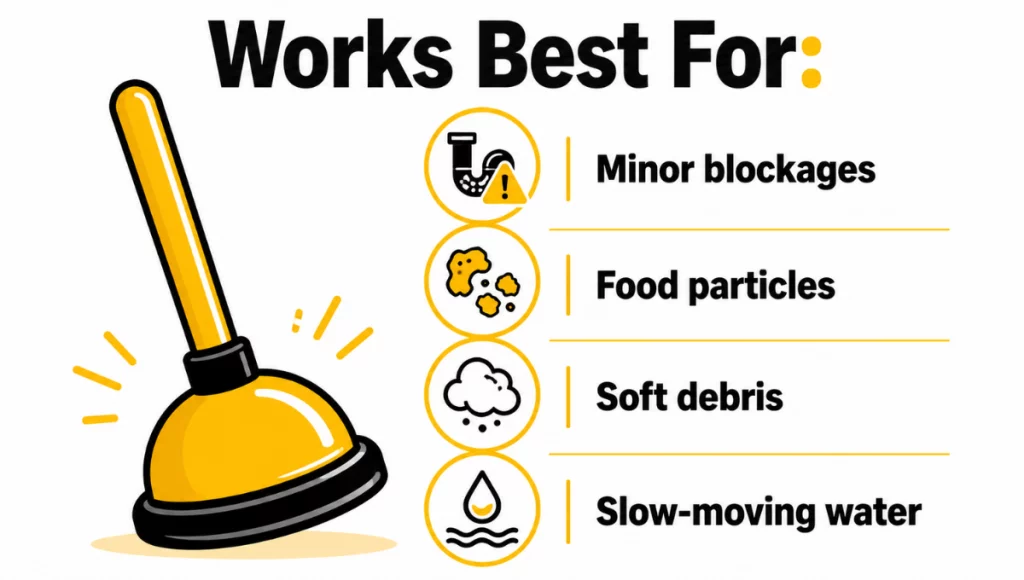
The clog can be loosened by the pressure that a plunger creates.
Picking the Correct Type of Plunger
When dealing with clogs in the sink, use a small cup plunger. You should fill the sink with enough water to submerge the rubber cup.
Correct Technique for Plunging a Sink
The plunger should fully cover the drain and is to be struck down with force. Create a seal while pumping with a series of rapid strikes. When the water is no longer draining constantly, remove the plunger to observe the results.
Closing Off the Overflow Hole
While plunging, the overflow hole should be covered with a wet cloth. This is essential to create and maintain the pressure in the pipes.
Method 5: Clean the Sink Stopper
The sink stoppers tend to accumulate hair and soap debris.
Remove the Stopper
If the stopper detaches easily, then just pull it out. If it is stuck, see if there’s a pivot rod under the sink that is attached to the stopper. You may need to take the retaining nut out to take the rod out.
Clean the Stopper
Get all of the debris (including hair and soap) off the stopper. Give it a wash with warm soap and water. Then you can put it back in.
Method 6: Clean A P-Trap
If the clog is further down the sink, you will need to clean the P-trap.
Put a Bucket Under the Trap
In the curved section of the pipe, there should be a bucket to collect any water. Use towels to absorb any water that drips into the cabinet.
Loosen the Slip Nuts
Slip nuts hold P-trap sections together. Use either hand to loosen both ends of the P-trap. Be sure to dump the P-trap contents into the bucket.
Clean and Reinstall
Fill a brush with some water to clean the trap. Consider how tight the trap is once you put it back. Water should be run to confirm no leaks and check drainage.
Method 7: Use a Drain Snake
A drain snake can help to unblock a sink drain that is further down the pipe.
Feed the Snake into the Drain
Slowly push the snake into the drain. Rotate the handle to break up or grab the clog when you feel resistance.
Pull Out the Debris
Pull the snake back out. Remove any debris from the snake and repeat the process if you feel this is necessary. Clean sink drain with hot water to help improve the drainage after using the snake.
What Not to Do?
Some of the solutions to the problem can potentially worsen the issue, or even ruin your plumbing services as a result.
Stop Using Chemical Cleaners
While they may be a convenient option, most pipe cleaners destroy sink plumbing with frequent use. Chemical cleaners can also be dangerous if they splash or mix with anything.
Never Just Leave the Problem
Assuming that slow drains will resolve on their own will only result in a completely clogged pipe. Not only are standing pools of water a nuisance, but they will also promote the growth of bacteria and bad odors.
Avoid Applying Too Much Force With Tools
Never apply too much force when using a snake or installable tools to unclog plumbing. Too much force can pop plumbing and also push the blockage further in.
How to Prevent Sink Draining Slowly?
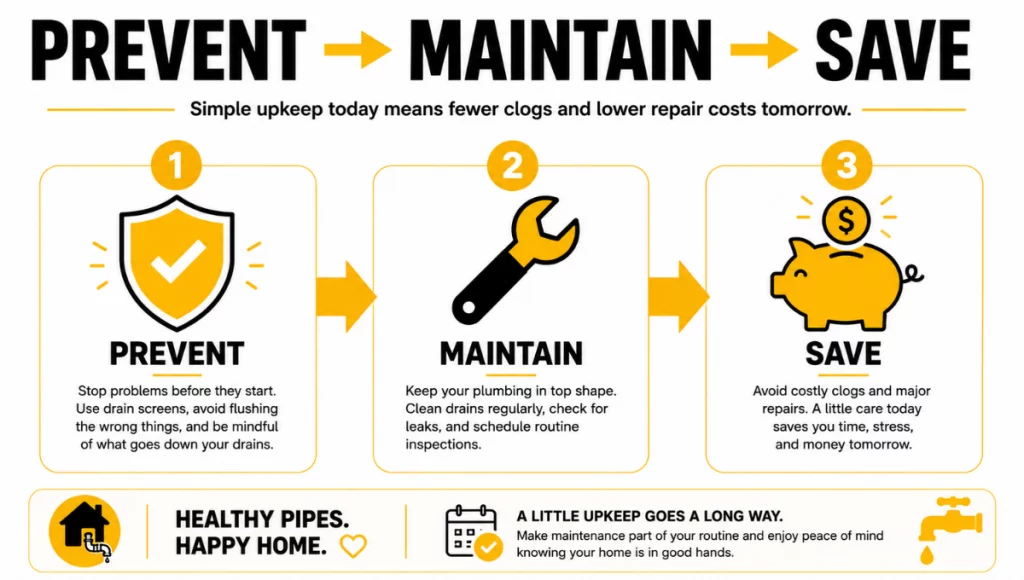
Proper maintenance is better than repairs for a kitchen sink draining slowly. Implement these habits to prolong your sink’s health.
Use a Drain Strainer
The drain strainer catches debris before entering your pipes. Be sure to clean it often.
Put Grease in the Trash
Liquid grease should be put in a separate container to cool and then thrown in the trash. Do not wash large amounts of cooking oil into the sink.
Flush the Drain
Flushing hot water down the sink weekly minimizes buildup.
Frequent Stopper Cleaning
Bathroom renovation services, including bathroom sink stoppers, should be cleaned as they can build up hair and soap quickly.
Careful with Sink Trash
Do not put large food debris in the sink. Coffee grounds, rice, pasta, and eggshells can build up in the sink pipes.
When to Call a Plumber?
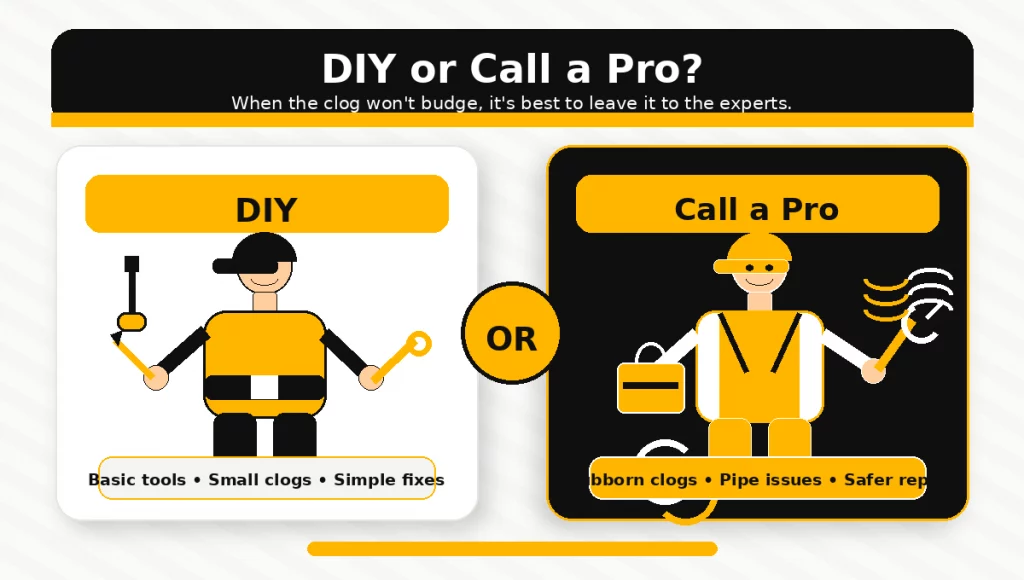
Some drainage issues require assistance, such as professional plumbing services.
Frequent Clogs
If the sink won’t stop draining and continues draining slowly after cleaning, there is most likely a blockage in the plumbing that’s deeper.
Multiple Slow Drains
If multiple sinks or multiple drains are draining slowly, then the main drain line has a problem.
Gurgling or Smells
If there are venting or drainage issues, there are going to be odors from the sewer, and there will be gurgling sounds that won’t go away.
Water Backing Up
If water comes back up into the sink or tub or any other drain, a plumber for sink repair will need to be contacted right away.
ProHandymanNow– Handyman Solutions Built on Craftsmanship and Trust

At ProHandymanNow, you can trust that we’re treating your home with the care it deserves. We know the importance of your home, so we want to help keep it safe and looking great. From minor repairs to large projects, we can help with the functionality of your home. Our team is passionate about providing quality service and helping with any of your handyman needs on a regular. Our team is professional, and you can trust that we will be there to help you with the project you need done, regardless of the size.
We strive to cultivate our client relationships through consistent communication, prompt service, and excellent craftsmanship. The team at ProHandymanNow does not perform simple repairs. We assist in creating long-lasting, comfortable, and well-cared-for spaces for homeowners.
Final Thoughts
A bathroom sink draining slowly might clog in a number of ways. Hair, soap, grease, food, and debris can all build up in a sink drain. Usually it is possible to remove a clog using one of the many sink drain clog removal tactics. These include removing visible debris, using hot water, baking soda and vinegar, plunging, cleaning the sink drain stopper, clearing the P-trap, and using a drain snake.
Preventative maintenance is the best way to avoid problems in the future. Use drain strainers, avoid pouring oil down the sink, clean the drain and sink drain stopper regularly, and flush the sink drain with hot water regularly. If the problem persists and affects multiple drains, contact a professional plumber. Looking for Professional Handyman Services? Contact Us Today and Bring Your Home Improvement Projects to Life.
continue reading
Related Posts

Summary: This blog is completely dedicated to all the things
Summary: Garbage disposals can cause trouble when they jam, leak,

Summary: Planning, proper measurements, and secure post placement ensure that