
Planning to get a high-quality water heater? But what do you know about such appliances? Whether you’re installing or replacing a heater, you need to remain fully informed about the functionality and features of these appliances. You can get hot water according to your specific water consumption level with the right decision. It’s possible by learning about how to install and maintain these heaters. Invest in better information for cost-effective water heaters and long-term functionality.
———————————————————————————————————————————————————————————————————
How to Keep the Water Heater Working Perfectly? A Complete Guide
Solar Water Heater | Gas Water Heater | Dip Tube
We use various appliances in our everyday lives. But regular appliance repair is also necessary, in which a water heater is also involved. It is one of the most important appliances in every household. And every homeowner has lots of queries regarding their heaters.
Homeowners can get clean and hot water to fulfill their entire home’s needs, like showering, cooking, and cleaning. But you don’t need to face expensive damage because of improper installation or maintenance malfunctions. When you have complete information about water heater repair near me and maintenance options. You canutilizee your heaters for long periods.
What Is A Water Heater?
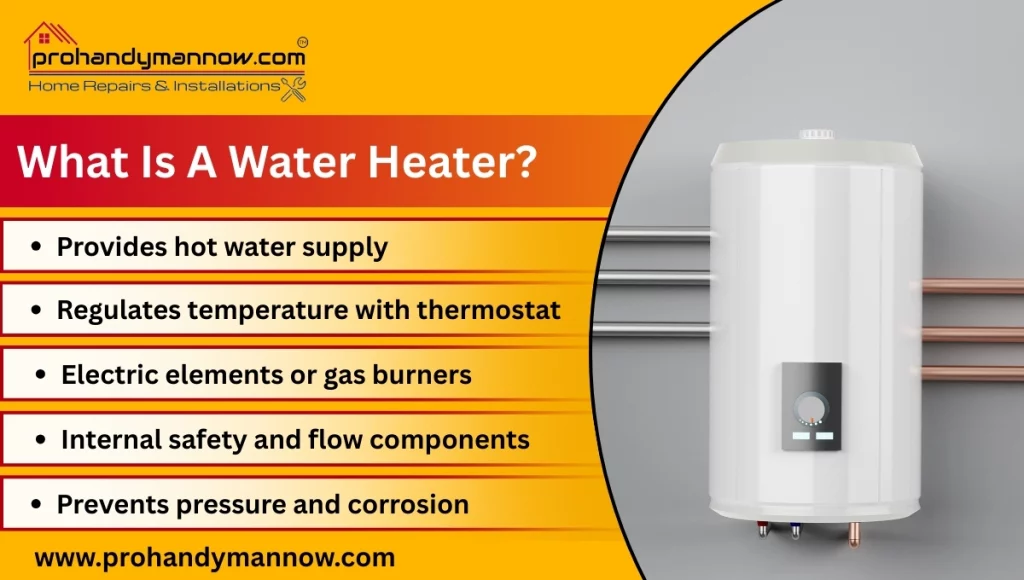
It is a necessary home appliance for a hot and ultimate water supply. You can complete multiple tasks when you have a heater. Taking a bath, doing laundry, cooking, cleaning, and all such tasks are done with hot water. The following are the key components of a water heater.
- A water heater thermostat is ideal for regulating the water temperature in the tank. It ensures the water stays within a safe and energy-saving level.
- Electric water heaters usually have heating elements, while gas heaters contain gas burners.
- A dip tube travels to the end of the tank where the water is heated.
- A drain valve is installed at the bottom of the tank for draining the water during maintenance and inspection procedures.
- A pressure relief valve is necessary for controlling the heater’s tank pressure at a safe range.
- An anode rod is beneficial for reducing the corrosion that can occur inside the tank.
What Are The Types Of Water Heater?
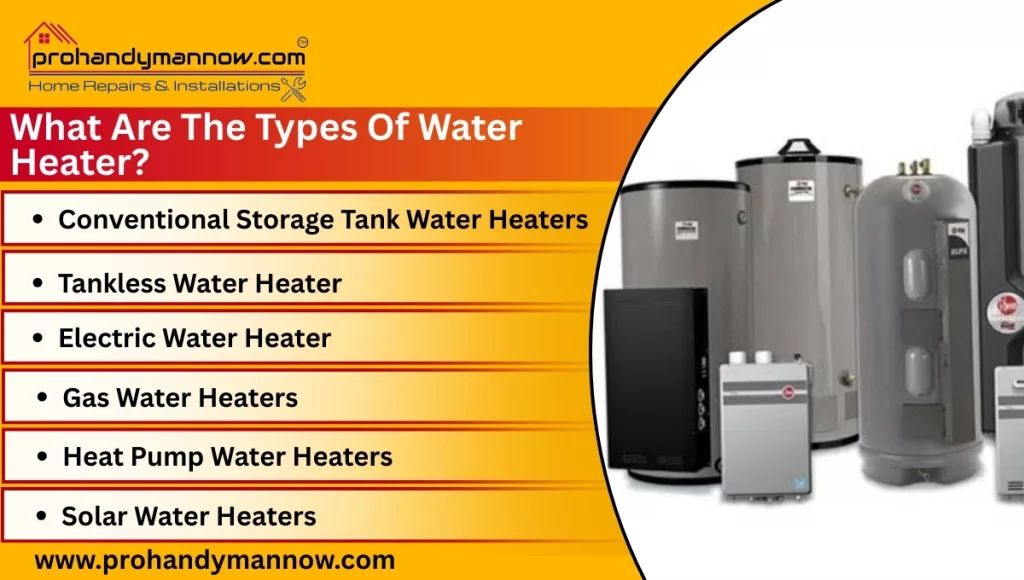
You can find various types available in a water heater. They offer unique features and have specific limits. But understanding them in detail can help homeowners make the right decision. Usually, these are the common options available in a water heater.
Conventional Storage Tank Water Heaters
It’s the most common type of water heater that homeowners love to install in their homes. Such heaters store and heat a massive amount of water in a tank. The water becomes ready for use whenever you need it. They are budget-friendly heaters, but their energy consumption levels are very high.
Tankless Water Heater
Also known as on-demand and flash water heaters. They are beneficial for heating water only when needed. They don’t have a storage tank because of the on-demand hot water availability. These types of water heaters are highly expensive, energy efficient, and offer an unlimited hot water supply.
Electric Water Heater
From its name, you can get the idea that it runs on electricity. The heating element within this tank is responsible for producing heat for the water. When the electricity cost is high, these heaters also become expensive.
Gas Water Heaters
Such water heaters are equipped with a gas burner underneath the water tank. They instantly heat the water, unlike electrical units. Homeowners prefer to use them during electricity blackouts.
Heat Pump Water Heaters
This hybrid water heater uses electricity for heat transfer from the nearby air and ground to heat the water. These water heaters are massively energy-efficient and beneficial for reducing your energy bills. However, you must ensure to install these water heaters in areas with better ventilation and proper space for maximum functionality.
Solar Water Heaters
These rely on the heat from the sun to warm up the water. This option is highly ideal for energy-conscious consumers because these heaters demand renewable energy sources. But they are not beneficial in all types of seasons, and their installation costs are also high.
How To Choose The Right Water Heater?
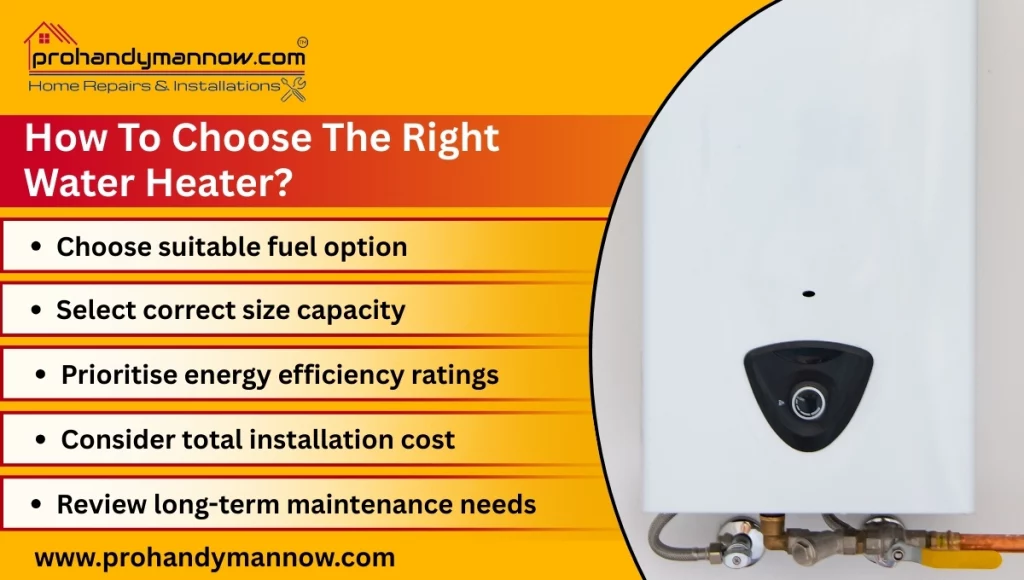
When you’re planning the water heater replacement or installation procedure, choosing the right type of water heater matters. It’s possible when you consider some specific factors.
Fuel Options
Different types have unique fueling preferences. They run on electricity, natural gas, solar energy, etc. You need to consider the cost and availability of these fuel sources in your local area. It helps you choose the easy-to-access water heater and its fuel source.
Size And Capacity In Water Heaters
What are your water heater needs? You need to choose a suitable water heater according to your household’s water preferences. Consider factors like:
- Number of residents.
- Every day water usage level.
- High water use times.
Using professional plumbing and installation services ensure to find the right size and capacity options for your water heaters.
Sustainability Levels
When you choose energy-efficient water heaters, they help save money on heating bills. You need to ensure your water heaters have an Energy Star label. Which reflects the specific units that meet the energy efficiency needs and help reduce energy bills.
Water Heater Cost
You must consider your budget when you’re choosing a 30-gallon water heater or any other option. You need to consider the installation and any other expenses, as well as a budget-friendly option. Although some water heaters are very expensive upfront. Their energy efficiency can make them worth the money in the long run.
Long-Term Maintenance Requirements
Check out the maintenance demands of different models, like a 50-gallon water heater or other types. Are they well-aligned with your lifestyle and budget-friendly?
Installation Process Of A Water Heater
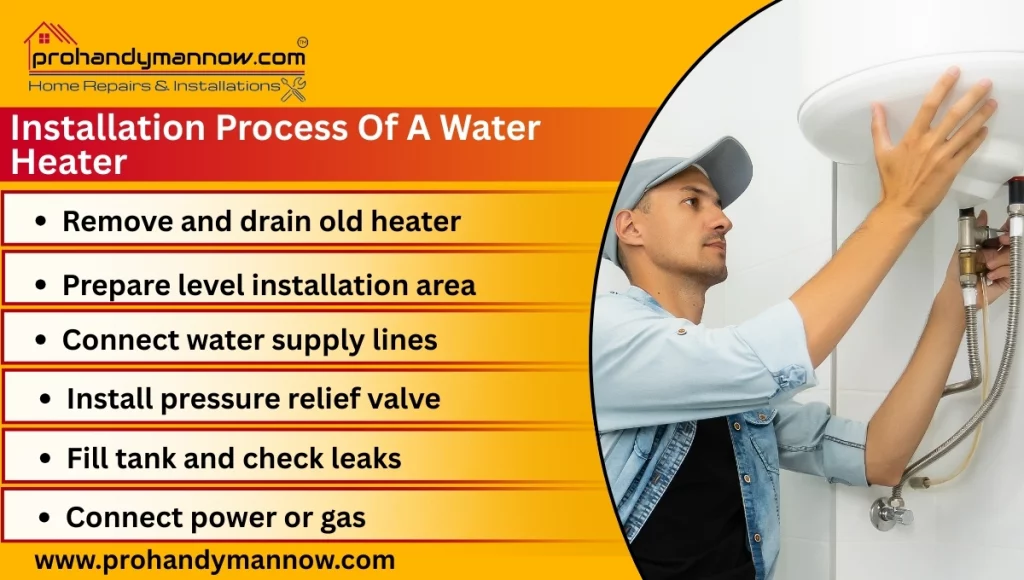
For a smooth water heater installation, hiring a professional plumber is suggested. But when you want to do a DIY installation, knowing proper details can help. Follow the given steps!
- You need to remove the old one by turning off the power socket. Then, let the old unit drain completely before you detach and remove it.
- Ensure the specific installation area is properly clean and flat. You can also place a drip pan for additional security or compliance with legal regulations.
- It’s time to install new water connections by linking the cold water supply to the dip tube. And the hot water line to the hot outlet. You can do that by using dielectric unions when corrosion-resistant fittings are not available.
- Now, connect the temperature pressure relief valve and retract the discharge pipe. Ensure it’s properly disposed of in a safe location.
- Fill up the water tank by opening up the cold water supply. Properly check the tank for any leaks or issues before filling it.
- When you have an electric 40-gallon water heater, you need to connect the wires to the specific terminals. For gas heaters, ensure a stable gas connection and check for leaks using soapy water.
- Reconnect the plumbing and electrical connections to the new water heater by following the manufacturer’s instructions.
- Once the installation is completed, turn on the water supply to check for any leaks. Also, run different faucets to check out the functionality and availability of the hot water.
Maintenance Requirements For A Water Heater
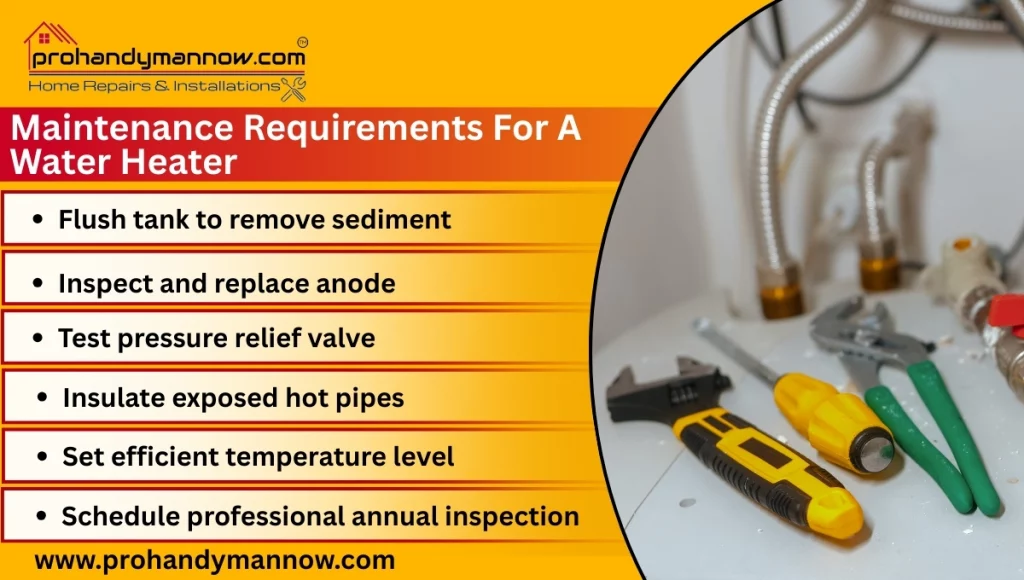
Just installing is not enough; you need to regularly maintain it. It helps enhance the performance and longevity of your heater. The following maintenance tips can help you keep your heater in good working condition.
-
Flush The Tank
Occasionally flushing the tank helps remove sediments and mineral buildups. Otherwise, they can affect the performance and lifespan of your water heater. For that purpose, you must know how to flush a water heater.
-
Inspection Of The Anode Rod
After every few years, inspect your anode rod. Replace it if it’s heavily damaged or corroded. An anode rod is beneficial for preventing the corrosion of the tank.
-
Pressure Relief Valve Functionality
Inspecting the pressure relief valve once a year is suggested to ensure its smooth functionality. This valve helps prevent extra pressure buildup inside the tank.
-
Insulate The Exposed Pipes
When you insulate hot water pipes, they reduce the heat loss. And minimize the waiting period for heating the water at the faucets.
-
Temperature Adjustments
You must ensure the thermostat is set to a comfortable and energy-efficient temperature. Normally, around 120 degrees Fahrenheit is enough.
-
Professional Inspections
DIY maintenance is good, but annual professional inspections are also necessary. You can use a professional plumber’s services for such purposes. They can complete any required maintenance tasks, which helps avoid expensive repair or replacement issues.
When you consider such options regularly, water heater repair procedures become easy to manage. You can enjoy utilizing your heaters for long periods with an extensive hot water supply. Mostly, you can complete these inspections and maintenance procedures by yourself. But occasional professional help can also prove effective.
Common Issues With Water Heaters
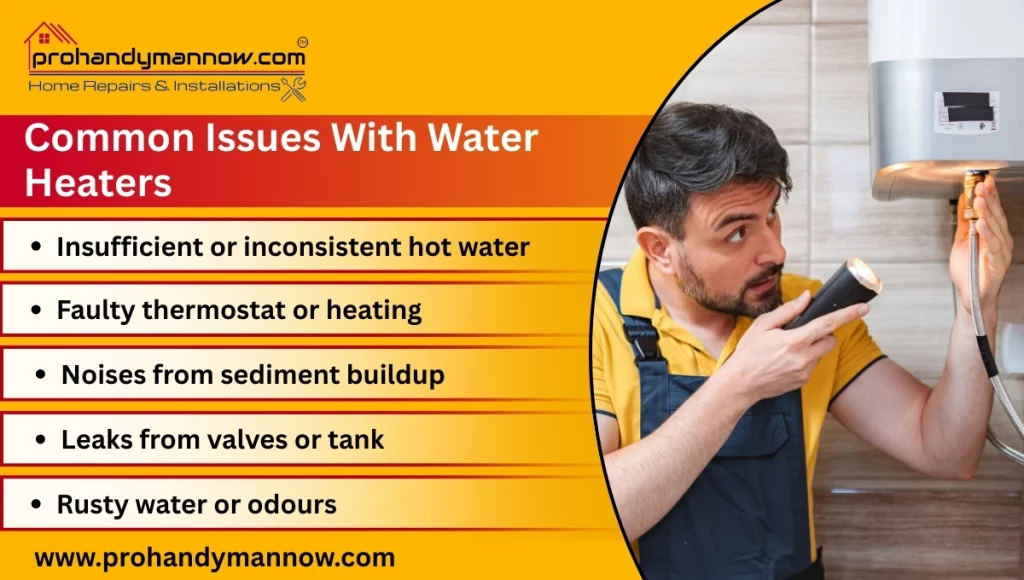
Even when you have installed them accurately, they can develop problems over time. You can face the following issues, and remaining prepared for them helps save time and effort for better solutions.
- Your water heater is not giving enough hot water anymore. It can happen because of issues with heating elements, the thermostat, gas valves, etc.
- You are getting an insufficient hot water supply. This points to a problem with the thermostat, mineral buildup in the tank, undersized water heater capacity, etc.
- Are you constantly hearing unusual noises? These can be popping or loud rumbling sounds. They are a result of sediment buildup in the tank, or heating elements’ failure can lead to such noises.
- Are there any leaks? These leaks can occur because of the pressure relief valve, the drain valve, or even from the tank itself. Learning how to drain a water heater is also beneficial in such situations. Before you start any maintenance or repair solutions.
- Is the water rusty or discoloured continuously? It can happen because of the corrosion in the water tank.
- Are you experiencing foul odours from the hot water you’re using? It is a sign of bacterial growth within the water heater tank.
Knowing these issues is beneficial so homeowners can stay calm in such situations and choose solutions accordingly.
Water Heater Installation Near Me – ProHandyManNow
Looking for high-quality and professional installation and repair options? Then, our services at ProHandyManNow offer the installation and maintenance of water heaters.
- Our professional installers and handymen ensure that your water heaters are properly installed, without skipping any step.
- We prioritize your specific home layout and consider any initial plumbing issues to avoid massive future problems.
- Whether you need general plumbing or complete home repair services, choosing our professionals in Orlando, Florida, is the best option.
- You can reach out to us for initial discussion, estimations, and simple details. It helps in thoroughly completing the water heater installation, repair, or maintenance procedures.
Conclusion
To conclude, the water heater is a necessary appliance in almost all homes. However, proper selection, installation, maintenance, and repair of these heaters is required. It’s possible when homeowners do some research before purchasing any heater. Whether you choose professional or DIY installation, you need to remain informed about the complete process. You can also WhatsApp us for better information. Having details about it reduces the chances of constant faulty performance or issues.
FAQs
What is proper maintenance for a water heater?
You need to ensure regular visual inspections for leaks and check the pressure relief valve. Also, flush a pint of water to remove the mineral buildup. Check for any unusual noises, venting issues, and inspect the insulation and the burner compartment.
What are the steps to install a water heater?
First, you need to shut off the power and water supply for installing a water heater. Use the drain valve to empty the tank. Safely disconnect plumbing and electrical connections and then install a new unit on a stable base. Locate the cold water line and install a tee fitting for the expansion tank.
What are the three most important parts of a water heater?
The dip tube, anode rod, and pressure relief valve are the most important parts of a water heater. When installing or replacing your heaters, inspect these parts carefully. Regular maintenance of these parts can enhance your heater’s lifespan.
continue reading
Related Posts

Summary: This blog is completely dedicated to all the things
Summary: Garbage disposals can cause trouble when they jam, leak,
Summary: Planning, proper measurements, and secure post placement ensure that